
By Quinn Martin | MCSquared Roofing
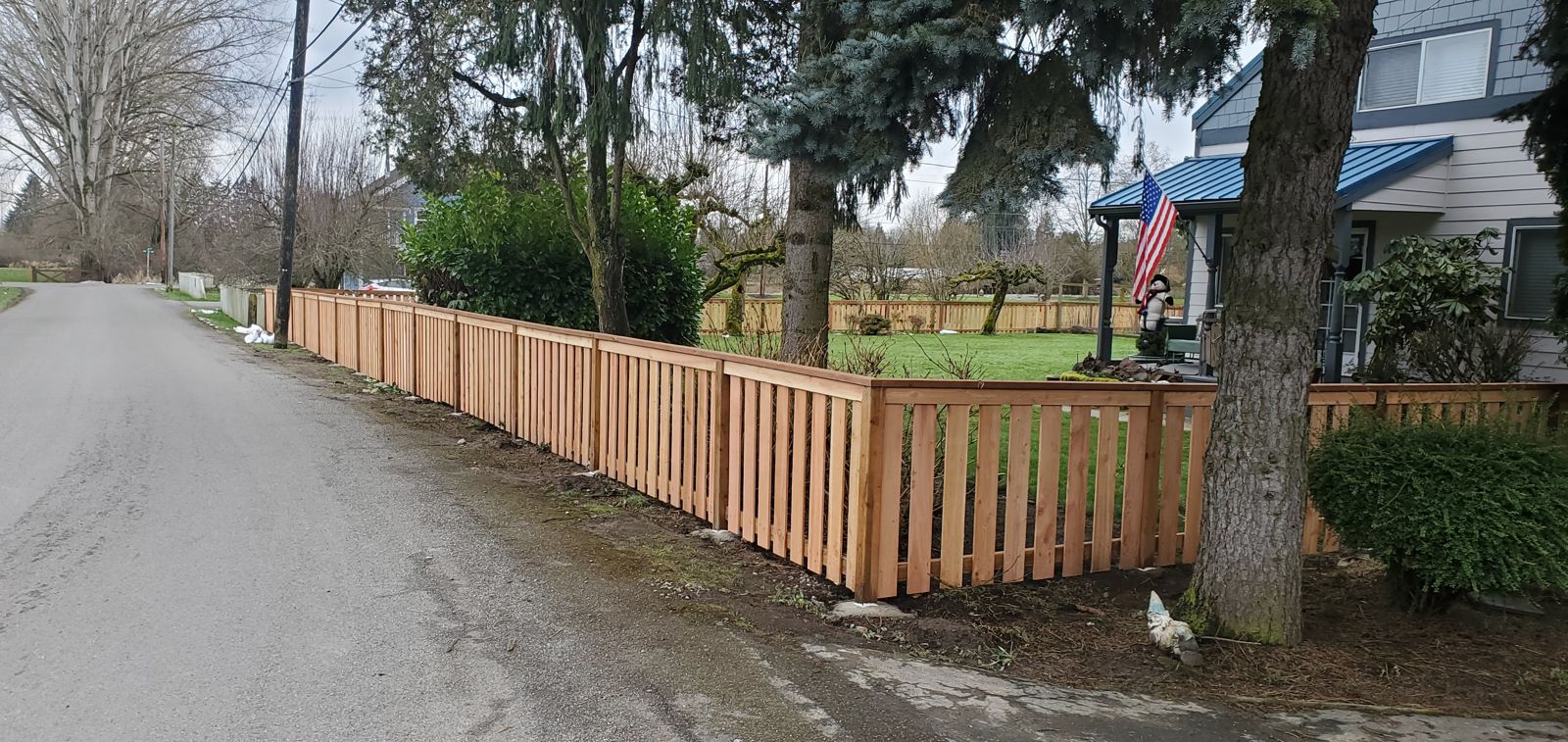
Short answer: yes. We build fences in North Carolina all winter. But there’s honest nuance worth knowing before you plan a winter fence installation in NC — a handful of days each year the weather genuinely wins, and a few materials handle the cold better than others. Here’s the straight talk.
Why Winter Fence Installation Works in North Carolina
Fence contractors in the northern states shut down for winter because the ground freezes solid. Here in the Triad, that almost never happens. Burlington, Greensboro, and Durham might see a week or two of hard freezes all season, and the ground usually only freezes an inch or two deep — if at all. Post hole diggers and augers punch right through it.
The NC mountains are a different story, but across Alamance, Guilford, Orange, and Durham counties, winter fence installation is routine. A fence that takes two days to build in July takes two days in January.
The Four Things That Actually Slow Winter Fence Work
1. Frozen ground mornings. After a hard freeze, clay soil gets concrete-hard for a few hours. We either wait for the midday thaw or bring the big auger. It costs you nothing — it just shifts the schedule.
2. Mud. A week of January rain turns NC red clay into soup. Digging in soup means sloppy post holes and ruts in your yard. If the ground’s saturated, we’d rather wait a few days than set your posts in mud. That’s the same call we’d make in a wet spring.
3. Shorter days. Daylight runs out by 5:30pm, so crews stack fewer working hours. A two-day job might stretch to three.
4. Concrete cure time. Cold slows concrete setting. In summer, posts set firm in a day; in a cold snap it can take two to three. We plan around it — posts still cure just as strong.
What About the Materials?
Wood. Pressure-treated pine and cedar are unaffected by cold. If anything, winter is kind to wood fence installation — posts buried in cool, moist soil cure and settle gently before the summer heat hits. If you’re weighing options, we make the wood case in detail in wood vs. vinyl fences in North Carolina.
Vinyl. This is where winter bites. Vinyl gets brittle in freezing temps and cracks easier during handling and nailing. Summer is the safer window for vinyl. It’s one more reason we lean wood in NC.
Aluminum and chain-link. Cold doesn’t bother metal at all. Winter is a fine time for either.
Does a Winter Fence Cost More?
No. Our published fence pricing is the same year-round — $14–$45 per linear foot depending on style, with the full breakdown on our fence installation page. Plenty of companies charge “winter premiums” or push “off-season discounts” to stir up business. We don’t play pricing games in any season.
Why Winter Is Actually a Smart Time to Build
Here’s the part most homeowners miss: winter is when you get the most attention and the fastest turnaround. Fence crews’ schedules open up after the fall rush, so the job that might wait four weeks in May can start next week in January.
And a fence built in January is fully settled and cured by the time spring storm season rolls in — ready to take whatever March and April throw at it. If you want the storm-safety angle, we compared fence styles for wind in the best fence for North Carolina storms.
(Roof work also doesn’t stop for winter — if you’re planning both, see can you replace a roof in winter in NC.)
Get Your Winter Fence Estimate
You don’t need a salesman standing in your yard to price a fence. Enter your address and fence details in our online fence estimator and get a real number in about a minute — $14–$45 per linear foot by style, gates included, no follow-up calls unless you ask for them. Pick your install date online, and if the forecast throws us a frozen or flooded day, we’ll reschedule with you, not around you.
